






























Three types of infections have seen significant increases, according to the organization. CEO Leah Binder says the findings ‘should stop hospitals in their tracks.'
Three types of infections have seen significant increases, according to the organization. CEO Leah Binder says the findings ‘should stop hospitals in their tracks.'

The Catholic health system purchased the facilities from Steward Health Care. Centura Health will manage the hospitals.

The co-founder of an online marketplace where patients can find doctors, Goldhill talks with Chief Healthcare Executive about his journey and how the industry needs to evolve.
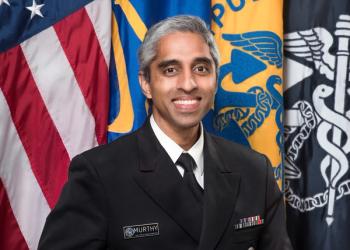
Surgeon General Vivek Murthy released a report on the epidemic of loneliness and isolation, including recommendations for providers and public health officials.
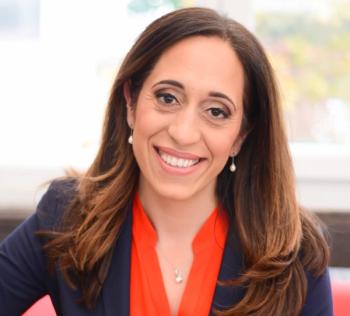
In this series, we’re spotlighting insights from leaders in the world of healthcare. Tanya Alcorn discusses how women can move into leadership posts.

Kaiser Permanente is forming a new health organization called Risant Health, and Geisinger will be the first member. Healthcare experts see enormous promise and some open questions.

The California-based system plans to acquire Geisinger and form a new organization called Risant Health. Here’s a guide to understanding the plans.

The two organizations say they are going to build a joint pediatric heart program.
In this episode, Chanda Hinton, founder of the Chanda Center for Health in Denver, talks about her journey, her center and how the healthcare industry can offer better care.
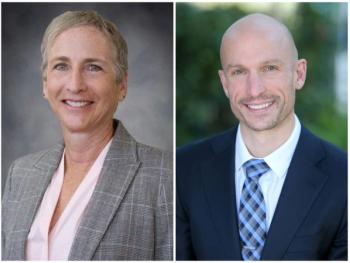
Memorial Sloan Kettering hires a 'futurist', LexisNexis appoints a key leader in its health division, and RWJBarnabas names its first female director of thoracic surgery.
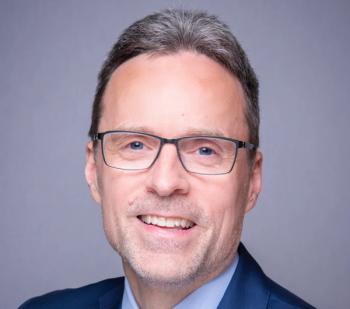
Rick Evans talks with Chief Healthcare Executive about the importance of communication, giving guidance on patient encounters and improving the patient experience.

The Centers for Medicare & Medicaid Services is now proposing ‘earlier and automatic’ penalties. To date, CMS has only issued a handful of fines.
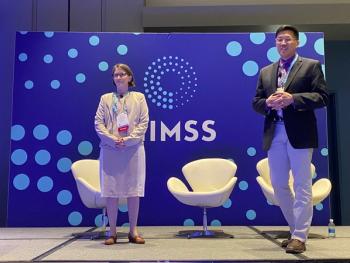
Doctors and health systems will offer better care if they connect with patients and patients feel like their concerns are being heard.
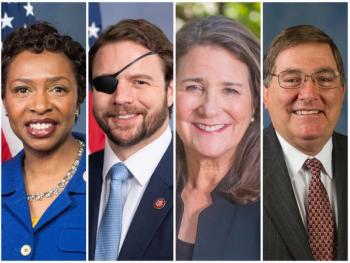
Democratic and Republican lawmakers have sponsored legislation to avert the loss of Medicaid funding that is critical to safety-net hospitals.

Assuming regulatory approval, the two systems announced the plans to launch a new organization, Risant Health, which will add other regional health systems.
Republican lawmakers are pushing legislation to ease restrictions, but two leading hospital advocacy groups are opposing those efforts.

LCMC agreed to buy the facilities from HCA Healthcare last fall, and Louisiana officials approved the deal. The Federal Trade Commission has moved to stop LCMC from integrating the three hospitals.

Artificial intelligence dominated the health technology conference, but it wasn’t the only fascinating topic of discussion.
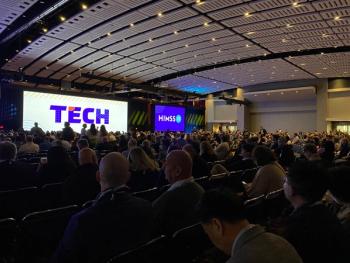
At the HIMSS Conference, healthcare leaders urged those developing digital solutions to make sure they aren’t just accessible to the affluent. And they stressed that health equity is everyone’s responsibility.

Healthcare is changing and how we prepare for the future of healthcare must change. Your budget should reflect your organization's business strategy – not the other way around.
Even as health systems have faced the pandemic and financial challenges, some organizations are working to reduce their environmental impact.
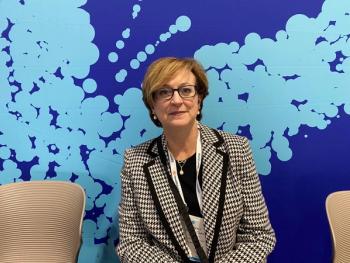
The West Virginia University Health System has added a host of small hospitals to its system. Kimberly Clarke of WVU Medicine says technology is the key to leveling the playing field.
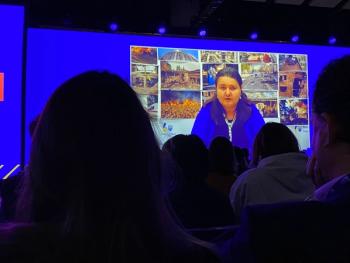
Oksana Markarova, Ukraine’s ambassador to the U.S., described the damage to the country’s health system and asked leaders for their support.

During a spirited panel discussion, some high-profile leaders talked about the deficiencies in healthcare that won’t be mended by the latest high-tech solutions.
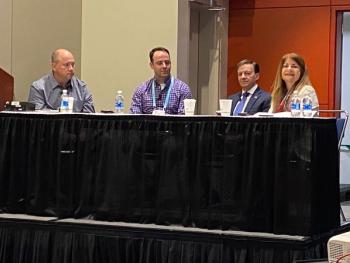
A panel at the HIMSS conference says artificial intelligence will be used to produce more sophisticated malware and phishing. But AI offers new potential in protecting organizations.