






































A modern archive strategy treats data as powerful information that continues to have value, regardless of the age of the data.
A modern archive strategy treats data as powerful information that continues to have value, regardless of the age of the data.

Without AI, no healthcare organization is going to be able to keep up with the amount of clinical documentation as more healthcare data is generated and jobs go unfilled.

The systems can be valuable tools to help people manage their diabetes, and supporters tout the importance of making sure that they’re available to disadvantaged groups.

The devices have become more widely used to help patients manage diabetes. Ash Shehata of KPMG talks about his optimism for the market.

Researchers found patients had better outcomes and lower costs by obtaining the devices through a medical benefit over a pharmacy. Arti Masturzo, chief medical officer at CCS, talks about the study and implications for patients.

The devices are more widely available, and motivated patients can use them as tools to improve their health, says Dr. Robert McCauley of Lehigh Valley Health Network.

With cybercriminals targeting health information technology systems, it's critical to recognize threats and develop a culture of cybersecurity.

The House Energy & Commerce Committee has passed the legislation, but some key provisions for telehealth are slated to expire at the end of the year.

Healthcare technology leader Geeta Nayyar and Vinitha Ramnathan of NRC Health talk about AI, problems to address with ethics and equity, and reasons for optimism.

The New Jersey health system is teaming with K Health to launch “HMH 24/7,” which officials say is designed to offer a more seamless experience for patients.

Many in the public are leery of AI. By committing to transparency and accountability, health organizations can emerge as leaders in innovative and responsible AI implementation.

Mental health is intertwined with our physical well-being, and there are benefits of digital mental health programs that work with chronic care management.

It’s going to take time for the public to understand the use of artificial intelligence in medicine. Dr. Dhruv Khullar of Weill Cornell Medicine outlines ways to foster trust.

There are five steps healthcare systems can take to improve their procurement processes to unlock new cost savings in the supply chain.

The majority of executives see growing value in artificial intelligence, but they say they’ll need people to utilize new technologies.

The complacency with electrocardiogram signal noise has become all too common. But it is threatening basic operations and the ability to provide quality care.

The use of virtual care in some areas has fallen since the height of the pandemic. Carrie Nelson of KeyCare says telehealth still has plenty of upside for health systems.

The Texas health system has been working with Reimagine Care to offer more digital services to cancer patients, and has seen encouraging results.

McLaren Health Care says it’s restored its key platforms after a ransomware attack earlier this month. It was the second attack the system has suffered in a year.

Jeff Sturman, the chief digital information officer, talks with Chief Healthcare Executive about the Florida system’s approach and offers advice for other organizations.

Clinicians recognize the worth of consistent communication and sharing information, and that's the essence of interoperability.

These steps can offer opportunities to improve the bottom line and deliver better care to patients.
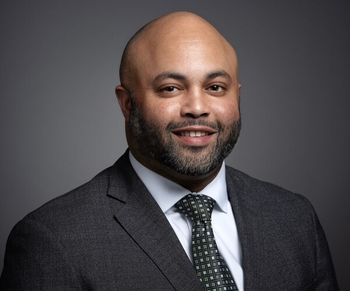
Cleveland Clinic appoints an inaugural chief AI officer, and other leaders tackle new roles.

The McLaren Health Care system says disruptions to computer systems are the result of a cyberattack. The system also suffered an attack last fall.

The healthcare technology company has released new offerings in urgent care and women’s health. Nele Jessel of athenahealth talks about how the company wants to meet the needs of specialists.