
































Cyberattacks at hospitals are proving more costly, according to a new report from IBM Security. The cost of a typical breach rose by nearly $1 million over last year.
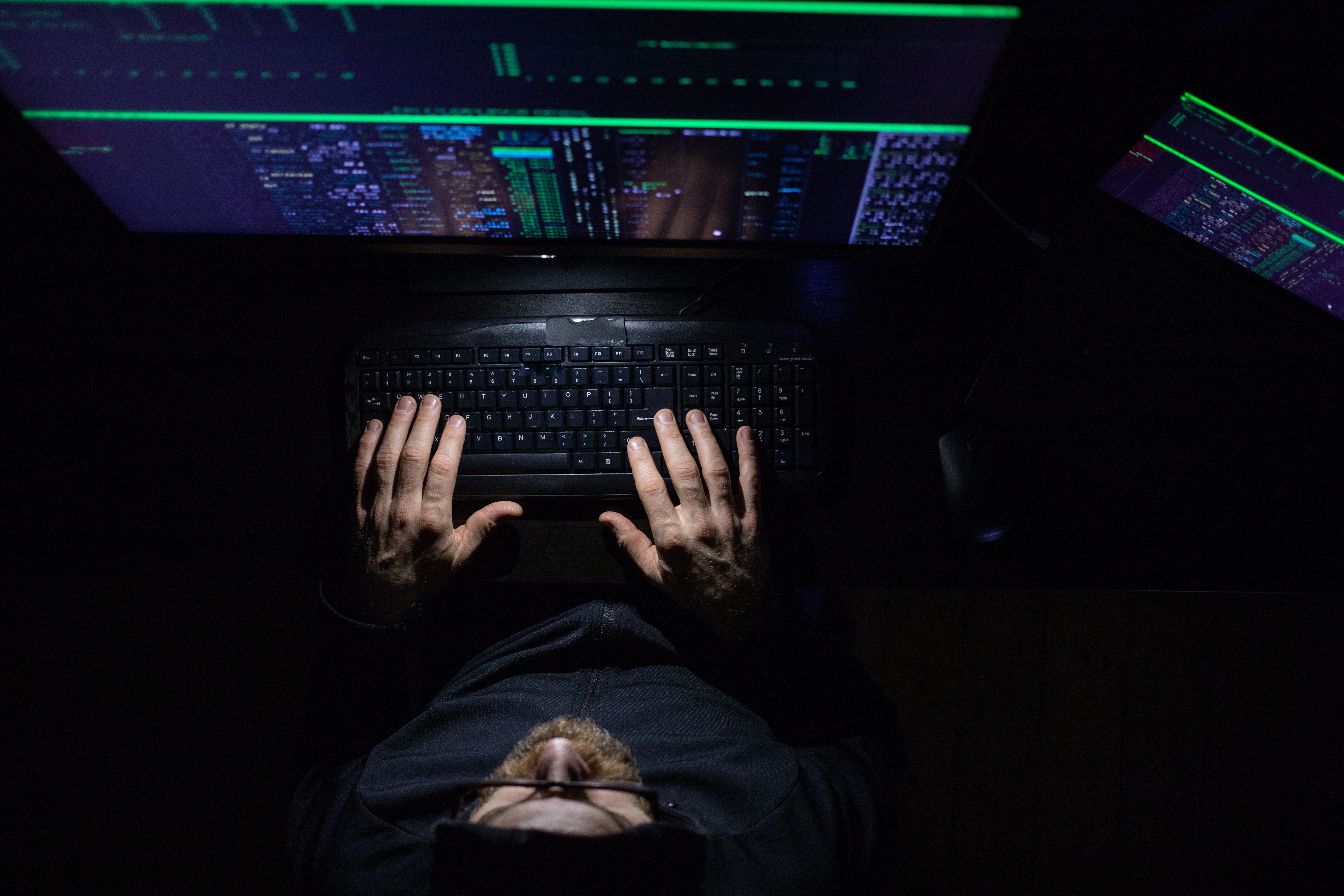
Cyberattacks at hospitals are proving more costly, according to a new report from IBM Security. The cost of a typical breach rose by nearly $1 million over last year.
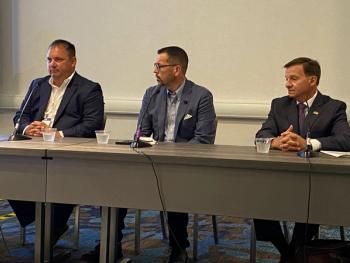
The attacks are costing health systems millions of dollars and threatening patients. Hospital leaders must develop robust defenses and prepare detailed recovery plans, experts say.

A new report by Abnormal Security sheds light on a growing trend of hackers impersonating third-party vendors to steal from companies.

FBI Director Christopher Wray said authorities thwarted the attack. Authorities have warned the healthcare sector to fortify their network defenses.
The threat is real, says Heath Renfrow, chief information security officer at Conversant Group. Healthcare organizations generally aren’t where they need to be when it comes to cybersecurity.
The group is relatively new but has targeted the health sector, the agency says. Scores of hospitals have been hit by ransomware and other cyberattacks.

One in six practices were hit by a cyberattack in 2021, according to the Medical Group Management Association.
As we conclude our series on cybersecurity in healthcare, several experts offer advice on protecting systems and patients.

As we continue our series on cybersecurity, John Riggi, the American Hospital Association’s top expert, explains how disruptive breaches can be. And he offers advice for hospitals to fortify their defenses.
The Department of Health and Human Services is asking for comments about assessing fines or other remedies for potential violations. The agency noted the rise of cybersecurity threats involving patient data.

As Chief Healthcare Executive continues our series on cybersecurity in healthcare, we look at the risk a breach poses to patients. Experts say hospitals must plan for providing care after an attack.
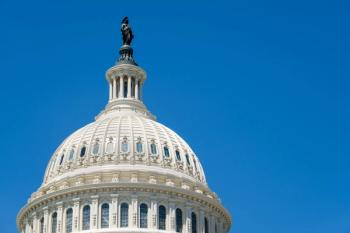
Our cybersecurity series continues with a look at what's happening in Congress. A Senate bill would authorize more cybersecurity training for hospitals. And a new law requires hospitals to report attacks and ransom payments more quickly.

This week, Chief Healthcare Executive is taking a closer look at cybersecurity in healthcare. Today, we look at the risks for smaller hospitals, which have fewer resources to combat attacks.

As Chief Healthcare Executive continues its series on cybersecurity, we look at the Fisher-Titus system in Ohio. The organization offers useful lessons in how smaller providers can improve their security.
This week, Chief Healthcare Executive is publishing a series of stories on cybersecurity and what healthcare organizations should be doing to protect themselves. Today, we look at why hospitals should expect a breach.

More than 100 breaches have been reported to the federal government since Jan. 1, and some have affected hundreds of thousands. As part of our series on cybersecurity this week, we look at the largest attacks in the first three months of the year.

Scammers are trying to get victims on the phone to download malware, according to a new report. Email attacks continue to rise and executives are being targeted more often.

The conference highlighted exciting opportunities for technology to dramatically improve healthcare, along with some formidable obstacles. Here are nine key takeaways from a memorable week.
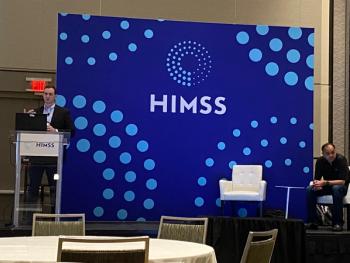
Many breaches aren’t discovered until months after the fact, and ‘double extortion’ is a growing threat, experts said at the HIMSS Conference.

The group says it doesn’t target healthcare organizations but authorities stress the importance of bolstering protections.

The typical breach costs several million dollars. Attackers have realized hospitals are prime targets, so healthcare leaders need to make protecting their systems a top priority.

Oracle bought Cerner in a $28 billion deal, giving the software giant a bigger presence in healthcare. It could inspire other tech companies to make moves.

There is widespread concern among the American public about cyberattacks on U.S. institutions, according to a poll, and nearly all reported being at least somewhat concerned about healthcare systems falling victim to cyberattacks.
Cyber attacks are on the rise and smaller hospital systems could become targets. The chief technology officer of [redacted], a cloud security firm, outlines how hospitals can bolster their defenses.

The attackers were able to gain access to networks in a children’s hospital, authorities said. Organizations are being urged to search their networks for malicious activity.