
Several problems exist with current programs that address social determinants of health (SDOH); however, a new social model aims to combat these issues and improve the programs’ effectiveness.
Several problems exist with current programs that address social determinants of health (SDOH); however, a new social model aims to combat these issues and improve the programs’ effectiveness.
Clay Ritchey, CEO of Verato, highlights the administrative and financial benefits that patient-matching technology can provide hospitals and health systems, as well as how it can improve the patient experience.
Terri Casterton, director of Healthcare Product and Strategy at Bottle Rocket, discussed the latest Apple Watch features, the use of patient supplied data in healthcare and the use of technological innovations in healthcare.
Steve Wigginton, CEO of Icario, discussed how value-based care and artificial intelligence are helping health systems and health plans to provide more personalized care and to address social determinants of health.
Barry Sample, PhD, director of science and technology at Quest Diagnostics, discusses the rise in drug positivity rates among healthcare employees, the reasons behind the rise, and what can be done to combat them.
Punit Soni, CEO and founder of Suki, delves into how artificial intelligence (AI) can be used to address burnout among healthcare professionals, as well as misconceptions about the purpose that this technology should serve in healthcare.
On this episode of Data Book, CHE speaks with Duane Schielke about health data and innovations.
Blair Childs, senior vice president of public affairs at Premier, explains how the Improving Seniors’ Timely Access to Care Act could revolutionize how prior authorizations are conducted and how machine learning technologies can help health systems adapt if it is signed into law.
Tom Knight, founder and CEO of Invistics, discusses how the COVID-19 pandemic has highlighted the need for better solutions for drug diversion, where healthcare employees commit medication theft, within their healthcare organizations and how technology can help resolve the issue.
In an interview recorded earlier this year, Chief Healthcare Executive Associate Editorial Director Mary Caffrey spoke with 2 leaders of Citius Tech about meeting healthcare challenges with digital solutions.
Kate Cordell and Ken Knecht, cofounders of Opeeka, discuss their company’s Person-Centered Intelligence Solution and how it can help children and their families manage and coordinate their mental health concerns as well as the benefits the tool can have on health systems.
Tanvi Abbhi and Nora Zetsche, MD, cofounders of Veta Health, discuss the company’s remote patient monitoring (RPM) platform and how RPM can be used to personalize and improve healthcare for patients with chronic diseases.
Peter Urbanowicz, managing director and co-head of Alvarez and Marsal’s Healthcare Industry Group, discusses the FDA’s new focus in addressing supply chain and device shortages posed by the COVID-19 pandemic and what hospitals should be doing in the meantime to adjust.
Sundar Kamak, global head of manufacturing at Ivalua, discusses the COVID-19 pandemic’s effect on healthcare supply chains and how technology can help alleviate those issues.
Kaveh Safavi, MD, JD, global health lead of Accenture Health, discusses how the pandemic influenced the speed at which healthcare organizations adopted new technologies and how this adoption is impacting patient care.
Leslie Trigg, CEO of Outset, discusses how imbedded cloud-computing technology in home dialysis machines can improve quality of care for patients, and how the pandemic has boosted demand for these machines.
Alan Payne, chief information officer at Sensyne Health, discusses some of the ethical concerns regarding the use of artificial intelligence (AI) in healthcare and what organizations should do to mitigate potential data security and bias issues.
Justin Williams, CEO of Noteworth, discusses how predictive analytic tools can improve the quality of care for patients with chronic diseases, discharged hospital patients, and patients from rural communities.
Carol McCall, from ClosedLoop.ai., discusses what’s holding back healthcare administrators from taking advantage of what artificial intelligence (AI) platforms have to offer and what the future holds for AI and machine learning in healthcare.
Waqaas Al-Siddiq, founder and CEO of Biotricity, discusses how the Biden-era American Rescue Plan is impacting telehealth and remote patient monitoring and how these technologies will fit into a post-COVID-19 society.

Scott Giordano, JD, from Spirion, discusses how data collection on smartphones raises security issues for consumers’ health care data and whether COVID-19 vaccine passports will truly be capable of keeping our data safe.

Matthew Michela, president and CEO of Life Image, discusses his company’s survey that found that most health care organizations are contributing to information blocking despite being aware of regulations put in place to eliminate it.
Healthy Bottom Line will focus on policy issues for health system decision makers.
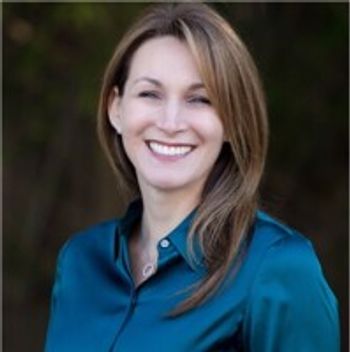
Tara Vail, chief growth officer of HST Pathways, discusses the lack of EHRs at ambulatory surgery centers and the challenges to adoption.

Brian Wayling, assistant vice president of telehealth services at Intermountain Healthcare, discusses use of the technology and a partnership with Amwell.
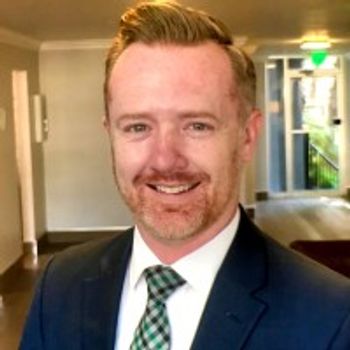
Ryan Ribeira, M.D., M.P.H., co-founder and CEO of SimX, talks to Chief Healthcare Executive about all things virtual reality in healthcare.
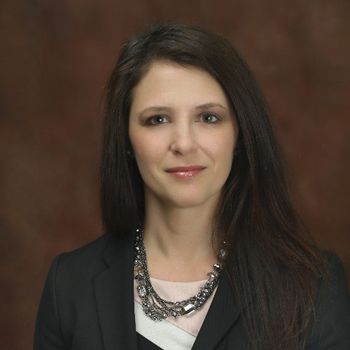
Blessing Health's virtual health coordinator, Rose Ghattas, R.N., discusses how the health system is using virtual care during the pandemic and how other healthcare executives could do the same.

Lora Swenson, business manager at KU MedWest, discusses how a text message platform improves workflows and patient satisfaction.

The president of Redox discusses the new HHS interoperability rules, how health systems will implement them, and challenges that might present.

Steps executives can take to reduce burnout in their health system.