

Financial distress, value-based care, and digital healthcare services are some of the forces driving deals.
Financial distress, value-based care, and digital healthcare services are some of the forces driving deals.

It’s been a persistent problem for hospitals for years and shows no signs of abating. Other sectors offer more pay and the ability to work remotely.

Breaches in healthcare have surpassed other sectors for more than a decade, according to a new IBM report.

Health systems delayed appointments and procedures due to the disruption. Hospitals need procedures for serving patients when the worst happens.

The Association of Organ Procurement Organizations names a new president, and others take new roles.
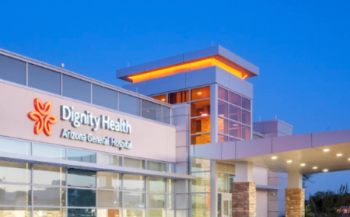
Dignity Health, part of CommonSpirit Health, has purchased Arizona General Hospital and seven freestanding emergency departments in a $160 million deal.

The CDC has warned providers of a ‘critical shortage’ of the bottles. Health systems are devising contingencies to reduce blood cultures and preserve their supplies.
The high court ruled that judges no longer have to defer to federal agencies in interpreting laws. Some worry that regulators will lose power to protect the public, but hospitals may pursue new legal challenges.
Prime Healthcare has reached a deal to buy Ascension’s hospitals in Illinois. Ascension has been selling some facilities as it looks to improve its financial position.

While women are making progress in faculty and leadership, too many say they’ve been sexually harassed. And disparities in compensation emerge in the beginning of careers.
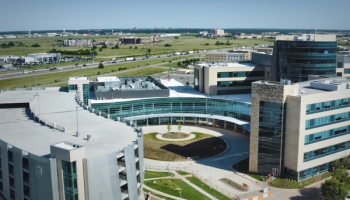
Looking to cut costs, the Norman Regional Health System is consolidating two hospitals. Its longtime hospital in downtown Norman will shift to urgent care.

The Leapfrog Group issued a new report to help protect patient safety, and outlines ways to help clinicians avoid mistakes and deal with them when they occur.
The Pennsylvania health system received the AHA’s Quest for Quality Prize. The group received the award at this week’s AHA Leadership Summit in San Diego.
Healthcare leaders are hoping that Congress reauthorizes legislation to help the mental health of clinicians.
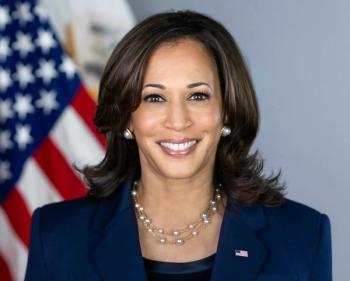
President Biden isn’t seeking re-election and has endorsed Harris. She’s been a forceful advocate on a number of the administration’s key health priorities.

Penn State Health's CEO is retiring, Lifepoint Health appoints two key leaders, and others take on new positions.
The issue is disrupting health systems, along with banks and airlines.

On Thursday, a global outage of Microsoft software affected some health systems in the United States, which announced they were canceling some procedures or only taking urgent care visits.

Many providers are seeing better operating margins than a year ago, but some are facing significant difficulties.

Fewer doctors are reporting burnout, according to data by the American Medical Association. While a good step, nearly half of America’s doctors report at least one symptom.

The former president was taken to Butler Memorial Hospital after a gunman opened fire at a rally in western Pennsylvania. The hospital said it had strong plans in place.
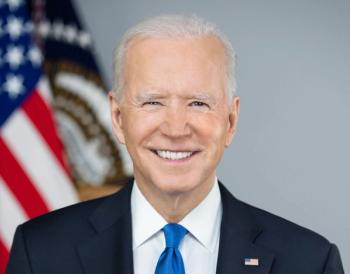
The president said he is doing well after his diagnosis. More Americans have tested positive in recent weeks.
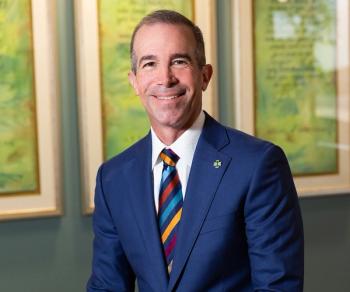
The health system chose Erik Wexler, the chief operating officer, to succeed the retiring Rod Hochman.

The first half of the year has seen a number of intriguing deals. Some larger systems are doing better, and some smaller hospitals are struggling and seeking partners.
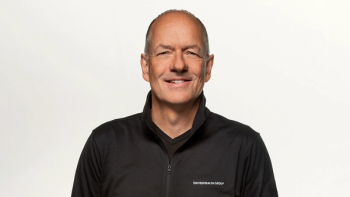
The company offered more perspective on the Change Healthcare cyberattack, which has been costly to hospitals and medical groups across the country.

U.S. News & World Report has released its top hospitals for 2024-25, and the methodology includes a couple of notable changes.

The rankings gain attention from consumers and are used extensively by hospitals in marketing campaigns.

The Pennsylvania health system has rolled out ambitious plans to transform its Wyoming Valley campus and the Geisinger Medical Center.

RWJBarnabas Health names chief pediatric officer, and other leaders take new roles.
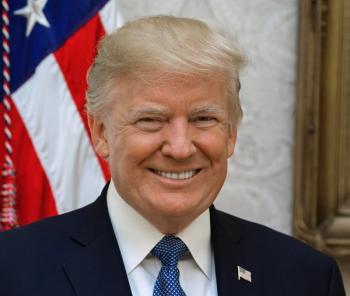
The former president was injured at a campaign event in what authorities are calling an assassination attempt. One attendee was fatally shot, while two others were wounded. Trump was released Saturday night.