

It had raised just north of $175 million since 2011 in a series of successful funding rounds, but Series E2 builds on that in a major way.
It had raised just north of $175 million since 2011 in a series of successful funding rounds, but Series E2 builds on that in a major way.

The first challenge of the new multi-agency MyHealthEData initiative? Getting people to a website.

The agency put out a new Request for Information to gauge vendor interest and capabilities.

A new study out of the Mayo Clinic is a case for caution against the Yelp-ifying of healthcare.

Brainomix's platform analyzes CT scans to diagnose stroke. The FDA just set a regulatory precedent for similar technology.

"We are judged on a misaligned incentive of publishing a paper, but not on ensuring that our methodology is being used," Malaz Boustani, MD, says.

Proponents and detractors alike agree that blockchain still lacks proven use cases in healthcare. Some major companies want to change that.

Another month, another hundred-thousand-plus patients who may have had their protected health information (PHI) compromised.

"It's just coming at us fast and furious, with CVS and Aetna, Cigna and Express Scripts, and maybe this," the President of American Antitrust Institute said.

Want to make an easy million, or 60? Just develop some proprietary genomics technologies for cancer detection and treatment.

Ridesharing companies just can't resist the healthcare honeypot.
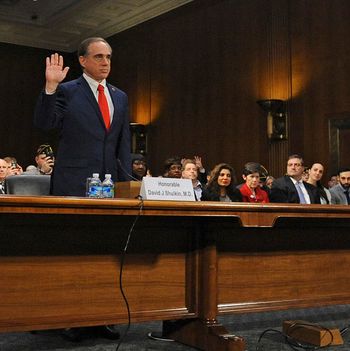
The tone of the former VA Secretary's new op-ed casts a dramatic light on a speech he gave just 10 days ago in Philadelphia.

Usability issues and variations in implementation create fears of unnecessary patient harm.
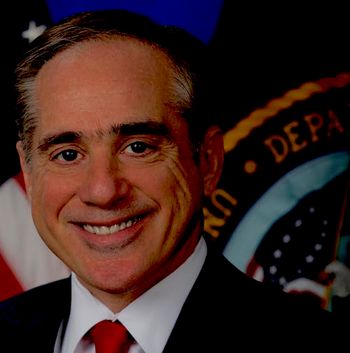
The President tweeted that he was nominating Admiral Ronny L. Jackson to head the agency without formally announcing that Shulkin had been fired.
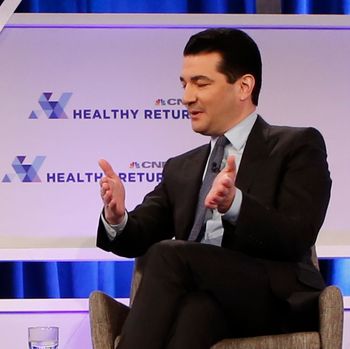
He can’t confirm or deny whether he’s a robot, but he emphasized public health and said this was a "defining moment" for new technologies.

Looking to grow its consumer-facing Health Nucleus platform, the genomics company announced a $25,000 plan that includes MRIs and a battery of other tests.

Under Commissioner Scott Gottlieb, MD, the agency has made a concerted effort to move towards a less cumbersome, technology-friendly, risk-based approach.

The 20-year-old nonprofit has fears about an increasingly consolidated, vertically integrated healthcare industry.

"The majority of available user interfaces are targeted at average users. This one-size-fits-all thinking does not consider individual differences in abilities," Jussi Jokinen, PhD, said.

According to 2 clinicians, docs today face "maddening" alerts and a "Sisyphean" inbox. They offer 5 suggestions for how that can be fixed.

A look at the half-dozen names that have come up as the embattled Secretary's potential replacement.
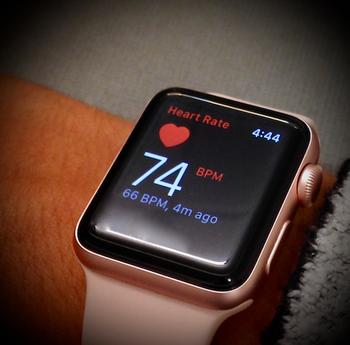
A new smartwatch/atrial fibrillation study showed some encouraging results, but it came with some sizable asterisks.

“People may assume that they are being provided accurate medical grade testing, so understandably do not go to the trouble and expense of seeking confirmation.”

"Even the term ‘concierge medicine’ we think is problematic. Our best shot might be ‘personal online doctor.’ 'Telehealth' is not the right word."
Jefferson College of Population Health Dean David Nash, MD, explains the facts and why they matter.

Can the company carve its own lane in the benefits navigation space by focusing on employers?
This year’s meeting focused heavily on the need for grassroots efforts to improve health in communities.
The public health community ignores 3 important questions, according to the Dean of the College of Population Health.

Average lifespan in the West Side is 69 years. “That was the lifespan in the 1950s,” according to Darlene Oliver Hightower. “That’s the lifespan in Iraq.”

"Where do you think most of the health issues are? We have to first acknowledge that it, in fact, occurred.”