
Why a machine-learning scientist says the trouble stems from a lack of quality data.
Why a machine-learning scientist says the trouble stems from a lack of quality data.
Clinicians in their second or third year of residency performed EHR documentation more quickly, a new study finds.

A decade after Congress ordered the DEA to create a special registration for prescribing controlled substances via telemedicine, a new deadline looms.

Scientists say motion-detecting sensors identified internalizing disorders with 81 percent accuracy.

This is just the latest study to suggest patients are satisfied with telehealth services.
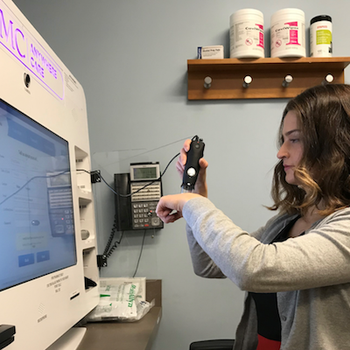
A new telemedicine program is underway in Pittsburgh, and it could prove more comprehensive than at-home visits.

Can Propeller Health’s asthma monitoring tech be applied more broadly?
Customers with diabetes will gain access to a digital management platform, but the insurer says the arrangement isn’t about data aggregation.
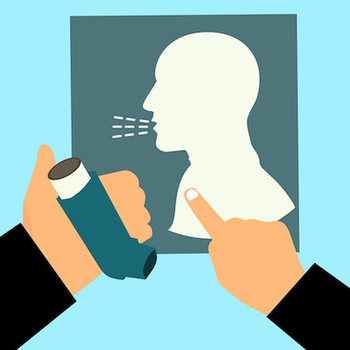
Patient data will be at the center of this five-year study, which aims to get to the bottom of asthma’s biological underpinnings.
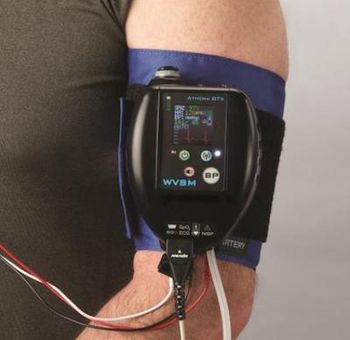
The U.S. Navy’s Office of Naval Research has developed a lightweight device to track patient vital signs in battlefields and other mass casualty situations.

The FDA and other regulators must navigate changes brought by artificial intelligence and other tech while protecting intellectual property rights.

The system uses home videos and human video raters to diagnose children with autism.

Can ClearHealth Quality Institute’s telemedicine accreditation program fill an important gap in a rapidly growing sector?
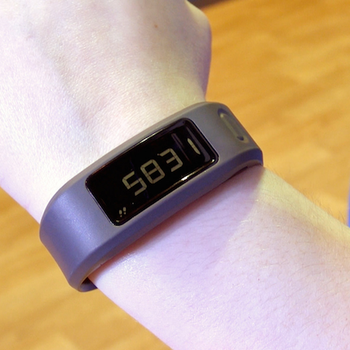
Why Garmin and Fitabase want to make it easier for scientists to access wearables data.

Do modern health systems have the know-how and tools to develop their own EHR systems?
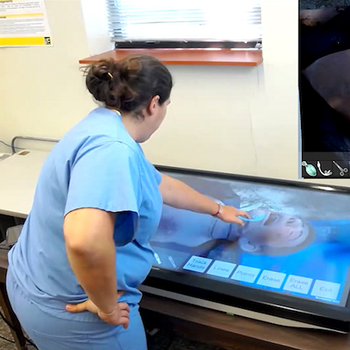
How a new AR system fosters direct care on battlefields and in natural disaster zones and rural areas with the help of on-site medical “mentees.”

Bose’s medical device allows users to self-adjust the levels using a smartphone, highlighting how the digital transformation is touching hearing aids.

Physicians say existing EHR products are insufficient, a new survey finds.
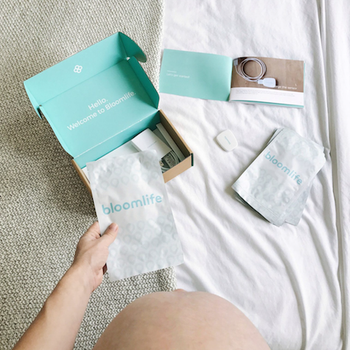
Women today have more tools than ever before to monitor their pregnancies, but data mean little without physician guidance.

Several dozen health plans and providers have begun using an artificial intelligence platform developed by a company called Apixio.

GeoPain also enables clinicians to analyze the data and even make predictions.

Humana will hire as many as 250 people to staff an analytics center in Boston, but the company is still nailing down the details.
Patients said they think apps could help pain management, but a study found called the power of mHealth into question.
EHR customization and poor training can result in problems, causing experts to call for change.

As researchers use big data to improve health, they’re bumping up against the hard limits of a fragmented healthcare system.
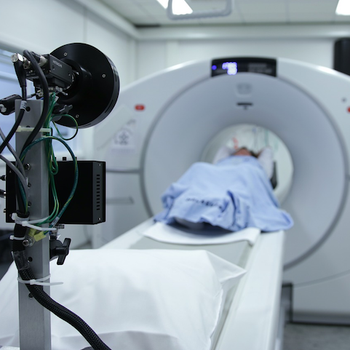
Can this Georgia Tech lab improve the economics of radiology and inform healthcare policy?
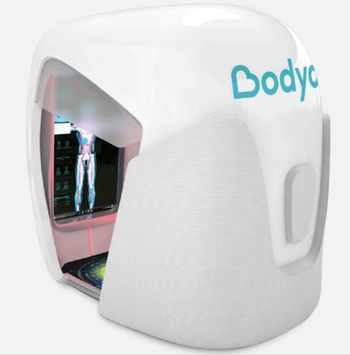
AiPods enable users to obtain a wide array of personal health data in less than 10 minutes.

The new tech has successfully identified patients who are experiencing respiratory depression.

The tool helps physicians determine whether a particular patient is likely to respond to direct-acting antivirals.

It’s difficult to make long-term predictions about which patients will die, but some worry that more accurate tools might affect healthcare spending.