The pace of mergers isn’t showing signs of slowing down, as health systems engage in more deals and bigger transactions.
The Minnesota system will become part of Sanford Health, and Sanford will invest $600 million in facility upgrades.
One of America’s largest nonprofit hospital systems, Sanford Health has completed a deal to expand its presence in Minnesota.
Sanford Health has completed its merger with North Memorial Health, giving the Midwestern health system a foothold in the Minneapolis metropolitan area. North Memorial operates two hospitals and a host of other healthcare sites.
The systems announced the completion of the transaction after Minnesota Attorney General Keith Ellison announced an oversight agreement with the two systems coming together. Sanford has committed to invest $600 million in North Memorial’s two hospitals: Maple Grove Hospital and Robbinsdale Hospital.
With the deal, Sanford Health’s portfolio grows to 60 hospitals in the upper Midwest. The two hospitals
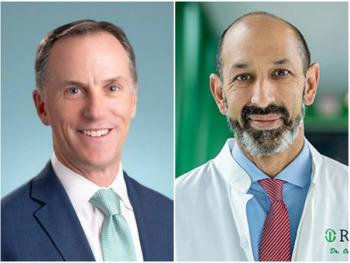
Bill Gassen, president and chief executive officer of Sanford Health, will lead the merged organization. Gassen touted the benefits of partnering with North Memorial.
“By bringing together North Memorial Health’s deep roots in the communities it serves with Sanford Health’s capabilities as an integrated health system, we’ll strengthen and modernize Robbinsdale Hospital while building a more connected healthcare system that better serves patients across rural and urban Minnesota,” Gassen said in a statement.
Significant expansion
North Memorial is joining Sanford and will anchor the system’s care delivery in the Twin Cities. Sanford officials have said it is not an acquisition, as the two non-profit systems are coming together but a purchase isn’t taking place.
Sanford Health has been serving some communities in Minnesota, with nearly 300,000 patients in the state. But now Sanford will have a presence in the Minneapolis area.
Based in South Dakota, Sanford Health has grown significantly in recent years. In 2025, Sanford
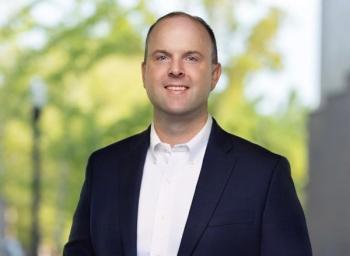
Trevor Sawallish, chief executive officer of North Memorial Health, will lead the Twin Cities region of Sanford Health.
In a statement, Ellison said Sanford’s willingness to agree to a number of conditions as part of the transaction made it different from other mergers which “all too often result in higher costs, fewer jobs, and less care.”
“The commitments and expressions of strong intent that Sanford Health and North Memorial Health have made to make significant investments in facilities and people and maintain key services in Minnesota — and their willingness to be held accountable to those commitments in an oversight agreement for 10 years — are in the public interest,” Ellison said in a statement.
Key commitments
Here are some of Sanford’s commitments with the merger.
Sawallish and other North Memorial leaders will have oversight from a local board of directors. Sawallish previously said North Memorial conducted a deliberate search before agreeing to partner with Sanford Health.
“Our organizations share a deep commitment to serving patients, supporting our people and strengthening the health of the communities we call home,” Sawallish said in a statement. “I’m confident we’ll build on those shared values while creating an even stronger future for our employees, our patients and the communities we serve.”
The hospital industry has seen