This is not simply a rare or niche area of medicine. It is a foundational area of human biology.
The nation’s prevention agenda should include the expertise needed to identify kidney disease before it becomes kidney failure.
By the time many people reach my nephrology clinic, their kidney disease has often progressed to later stages of the disease.
They felt well enough for years, until a health scare landed them in the ER, and they were diagnosed with kidney failure. Suddenly we are talking about dialysis three times a week, a transplant evaluation and a life reorganized around a disease they did not know they had.
This is the cruelest feature of chronic kidney disease (CKD). It is common, serious, and quiet — until it’s not.
Kidney disease is one of the
This is why the current moment for the U.S. Preventive Services Task Force (USPSTF) matters. The Agency for Healthcare Research and Quality (AHRQ) is
The task force has been through a period of instability, with
That does not mean the USPSTF should become a specialty group. Its value comes from independence, rigorous review of the evidence, and relevance to primary care. However, when a condition is common, silent, clinically complex, and inequitable, the people who understand its early signs should help frame the recommendations the task force puts forth.
Primary care clinicians are asked to do an extraordinary amount in short visits. Kidney disease can take a back seat because it rarely announces itself. A normal blood test can create false reassurance, yet early-stage CKD cannot be reliably detected without a urine test. Blood and urine together are needed. This is simple in principle, but easy to miss in practice when no guideline clearly emphasizes it.
The omission matters because CKD increases the risk of high blood pressure, heart disease, stroke and early death. The science of prevention has changed since the task force last took up kidney screening in earnest. We now have therapies that can slow CKD progression and reduce cardiovascular risk for many patients. Earlier detection is no longer only about naming a problem. It can change what we do.
The heart community has already embraced this. The American Heart Association now describes cardiovascular-kidney-metabolic syndrome, or CKM, as the interconnected disease process linking heart disease, kidney disease, diabetes and obesity. About 1 in 3 U.S. adults has at least three risk factors for CKM syndrome, according to the AHA. That number should startle anyone who still thinks kidney screening is a niche concern. An AHA advisory explicitly frames CKM as a pressing issue, disproportionately affecting disenfranchised populations, and requiring more integrated screening and care.
Then there is the matter of who pays the price when prevention is late.
By the time a patient reaches kidney failure, inequity has usually been layered over many years. A missed urine test. A delayed referral. A clinic visit that never happened because transportation, time off work, or coverage got in the way. Prevention will not eliminate these forces, but it can interrupt their progression.
A nephrologist on the USPSTF would not, and should not, predetermine the outcome of a screening recommendation. But relevant expertise can help ensure the right questions are asked: Which populations are considered high-risk? Are urine albumin-creatinine ratio (uACR) tests evaluated alongside blood tests? How should evidence about cardiovascular benefit be weighed? How should recommendations account for real-world underdiagnosis among people who are less likely to see a specialist until late-stage disease?
Some will worry that adding more specialists to the task force could push USPSTF toward more screening, more medicalization, more conflicts of interest. That concern deserves consideration. Preventive care can cause harm when it overreaches, through false positives, unnecessary testing, anxiety, and cost. The appropriate response is not to exclude expertise, but to apply rigorous conflict-of-interest standards and select members committed to population health and evidence-based decision-making.
The USPSTF’s great strength is that it can make prevention tools accessible for all. A screening recommendation for people at risk would not solve the kidney disease crisis by itself. But it would tell clinicians, insurers and health systems that the kidneys are not an afterthought. It would tell patients with diabetes, high blood pressure, heart disease or family history of kidney disease that waiting for symptoms is a dangerous strategy. It would save lives.
I care for too many patients who did not have an opportunity at prevention. Some are angry. Some are stunned. Many ask the same question, in different ways: Could it have been detected sooner?
Often, yes. It could have.
As AHRQ considers new members for the USPSTF, the nation’s prevention agenda should include the expertise needed to identify kidney disease before it becomes kidney failure. The task force can preserve its independence and broaden its perspective. It should do both.
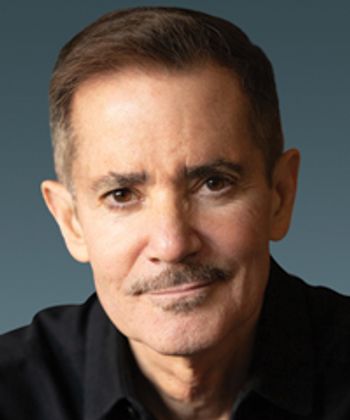
Pranav Garimella, MBBS, MPH, is the chief medical officer of the American Kidney Fund.