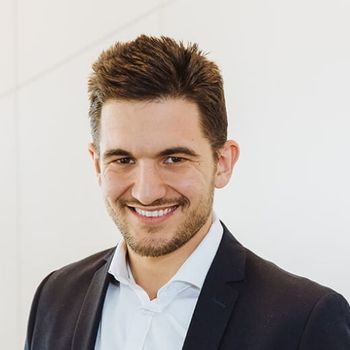
A dozen health systems have joined the collaborative. Elad Walach, CEO of Aidoc, talks with us about using AI for better and faster diagnosis.
In the final segment from our panel discussion, executives explain where they are upbeat even in a time of change and turmoil.
During the Chief Healthcare Executive Roundtable, our panel of leaders hasn’t been shy about naming and dissecting some of the industry’s most sobering challenges.
The panel talked about serious financial pressures that only stand to get more daunting in the coming years, amplified by cuts to Medicaid. They talk about
But in the final segment of our panel discussion, the leaders talked about why they are optimistic about the future and where they are most enthusiastic.
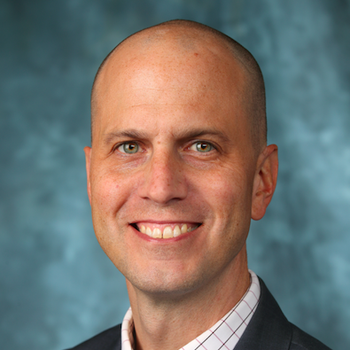
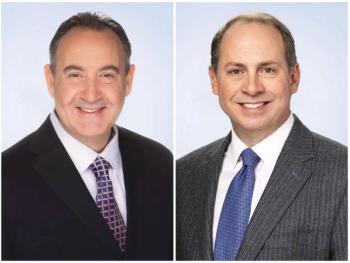
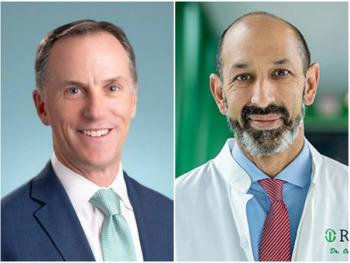
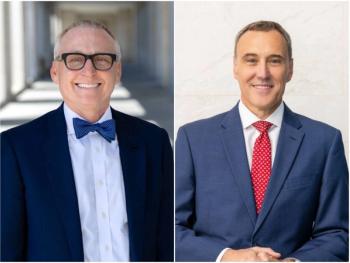
These top healthcare leaders participated in our roundtable.
New talent and technology
Bhatt says it’s not hard to find reasons to be hopeful, even with some of the challenges in the healthcare industry.
“Ultimately there's every reason in the world to be optimistic, and perhaps the biggest reason is that young people still seem interested in going into health care as a profession,” Bhatt says. “Medical school admissions are more competitive than ever; more people are applying than ever.”
“Young people are voting with their feet; they still think there's something worthwhile about entering the health care system and serving patients. To me, that's the biggest reason to be optimistic,” he says.
Garrett says he’s also encouraged by the young people entering medical school. He also says he’s buoyed by the prospects of new technology, including AI.
“Technology is really giving me optimism. I think it's transformative, so I'd say let's harness it and not be afraid of it. We also have to govern it; we need to be a little cautious,” Garrett says.
“But honestly, the technology that's out now, like AI, and how we're deploying it, really has the potential to transform health care,” he says. “And there's nothing that gives me more optimism than thinking about how we can harness that technology to do what's right for our patients and our communities.”
The energy of caregivers
Beiner points to the way the health system rallied through the COVID-19 pandemic and rebounded after so much turmoil. He cites the resilience and energy of clinicians.
“There's such great energy in our caregivers, our physicians and our people that if we simply answer it appropriately and leverage it, nothing's stopping us,” Beiner says.
Levy says he’s encouraged by the way healthcare organizations are collaborating.
He says he sees more health systems “starting to cooperate and share information, outcomes information and research information that can advance the field.”
This is the last segment of our inaugural Roundtable discussion. If you’ve missed some of our earlier installments, you can see all of the videos from our series on
We divided the roundtable discussion into a series of relatively short videos. The panel tackles AI, business trends, the well-being of employees, and other big topics.
The videos are free to watch, but you will be asked to fill out some information to access them. Check out the conversation.
And we will be having future Roundtable discussions in the coming months. Watch for more information coming soon.