




























President Joe Biden marked the grim milestone Thursday. More than 3,000 healthcare workers died in the first year of the pandemic, but the full toll isn’t clear.
President Joe Biden marked the grim milestone Thursday. More than 3,000 healthcare workers died in the first year of the pandemic, but the full toll isn’t clear.

Some nursing leaders say shorter, more flexible shifts would help the nursing shortage and also protect patients. But moving away from 12-hour shifts wouldn’t be easy.

A new Kaufman Hall report says increased labor costs have added to the financial challenges facing American health systems. Healthcare leaders will have to find ways to recruit and retain workers.

Assuming the deal is approved by regulators, the new organization will operate 67 hospitals in six states. The new system would be known as Advocate Health.

Too many nurses don’t want to work at bedside in hospitals, says Vicki Good, a national leader in the nursing field. Healthcare leaders must take care of nurses to avoid even greater staffing challenges.

In its new 2022 State Rankings, Healthgrades recognized four providers who earned the highest ranking in three different specialty areas.

The watchdog organization released its spring safety grades, examining nearly 3,000 hospitals. Patient satisfaction dipped during the pandemic.

As National Nurses Week continues, Nicole Banister of Caravan Health offers some suggestions to reduce the burdens on nurses.

In an interview with Chief Healthcare Executive, Anne Dabrow Woods of Wolters Kluwer talks about ways to address the nursing shortage.

Borrowing costs are rising after the Federal Reserve raised its benchmark rate for the second time in two months. Hospitals are facing financial headwinds on a number of fronts.

Hospital at Home is now a viable care delivery pathway, and it will help reshape future practice. But it requires strategic planning to ensure success.

In other news, Akron Children's Hospital names new academic leader, UCLA's cancer center names new diversity chief, and others take new roles.

The American Medical Association issued a statement saying the opinion could lead to government interference in the doctor-patient relationship. Other healthcare organizations have denounced the draft.

A new federal report sheds more light on the challenges health systems have faced during the pandemic and the prospect of an even greater shortage of doctors and nurses.

Some have issues with access, while others aren’t sure they’ll get quality care, according to a report by McKinsey & Company.

Mayo Clinic researchers found ECGs powered by artificial intelligence could predict irregular heart rhythms years before they are diagnosed. It could point to earlier interventions to prevent stroke.

The latest Kaufman Hall report indicates health systems are rebounding somewhat after a very difficult start to the year, but they have a long way to go.

Nele Jessel, chief medical officer of athenahealth, explains how health systems can help physicians.

Some healthcare leaders have worried about disparities in use of telemedicine. The new study shows many in impoverished communities turned to telehealth.

UW Medicine’s longtime CEO announces plans to retire, Boulder Medical Center hires its first female chief executive, and more leaders take new positions.

The president and CEO of the Bizzell Group talked about going directly to patients and the need for a more diverse workforce. He also talked about the importance of improving COVID-19 vaccination in minority communities.

Black women and women over the age of 45 are at particularly high risk, according to a new report. Hypertension can lead to serious complications.

A majority of nurses say they are putting the job before their health, according to the survey by IntelyCare. Nurses who have shifted to per diem roles said they are happy with the move.
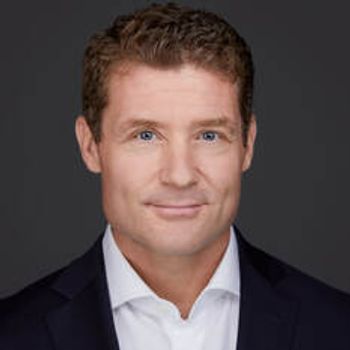
In an interview with Chief Healthcare Executive, CEO Thom Herrmann talks about the company and his ambition to take the hybrid concept nationwide.

A new study indicates a significant decline, and suggests the value of adding cessation programs to behavioral health treatment.