




























LCMC agreed to buy the facilities from HCA Healthcare last fall, and Louisiana officials approved the deal. The Federal Trade Commission has moved to stop LCMC from integrating the three hospitals.
LCMC agreed to buy the facilities from HCA Healthcare last fall, and Louisiana officials approved the deal. The Federal Trade Commission has moved to stop LCMC from integrating the three hospitals.

Healthcare is changing and how we prepare for the future of healthcare must change. Your budget should reflect your organization's business strategy – not the other way around.

They cause problems with billings and collections, hurt relationships with payers, and force hospital staff to spend countless hours correcting errors.

Even as health systems have faced the pandemic and financial challenges, some organizations are working to reduce their environmental impact.

A survey of leaders indicated most said they weren’t very satisfied with the technology they are offering patients.

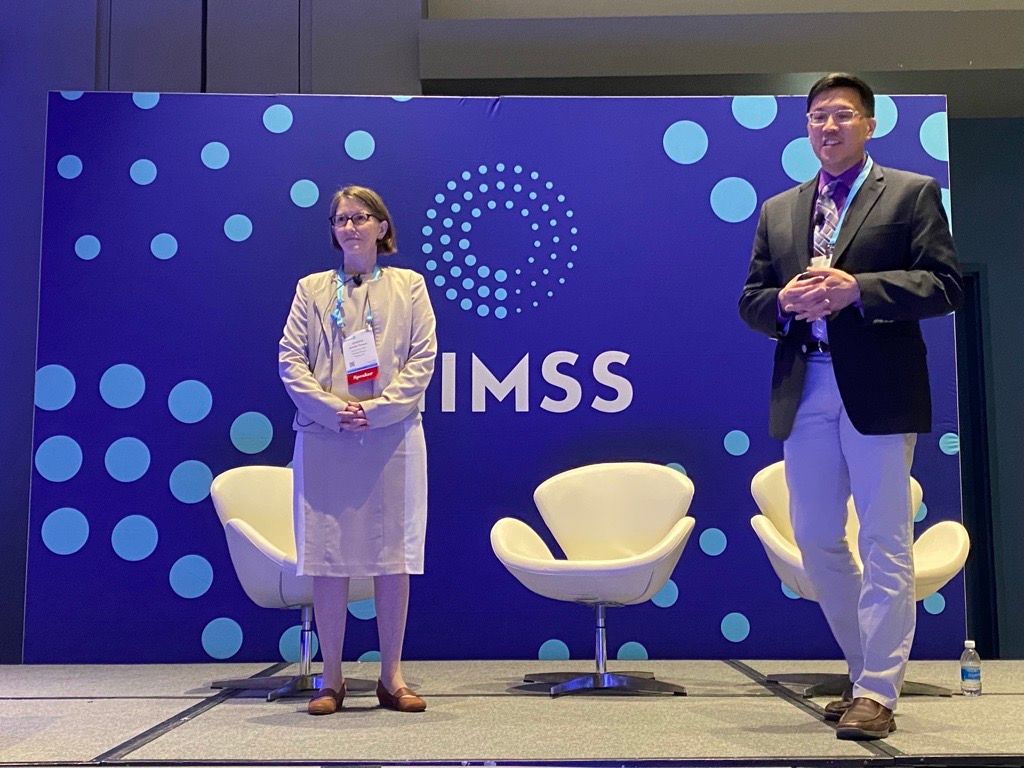
During a spirited panel discussion, some high-profile leaders talked about the deficiencies in healthcare that won’t be mended by the latest high-tech solutions.

The healthcare industry needs creative solutions that focus on attracting more students into nursing.

City of Hope appoints a chief science officer, a Hollywood hospital gets a new chief executive officer, Yale Health gets a new leader, and others take new roles.

More systems are stressing the importance of employing more members from minority groups. A group of leaders outlined some ways those efforts can have lasting effects.

The two Michigan systems have joined forces to form one organization. Here’s a closer look at the deal.

The state’s health systems have suffered heavy losses due to the COVID-19 pandemic and underfunding at the federal and state levels, according to an analysis by Kaufman Hall.
CMS has proposed a 2.8% increase for Medicare’s inpatient rates. The American Hospital Association calls it insufficient in light of high inflation and a history of inadequate reimbursements.
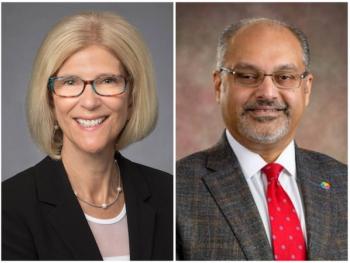
Froedtert Health and ThedaCare have signed a letter of intent to consolidate the two systems.

The Chicago-based system identified dozens of facilities that could have been affected.
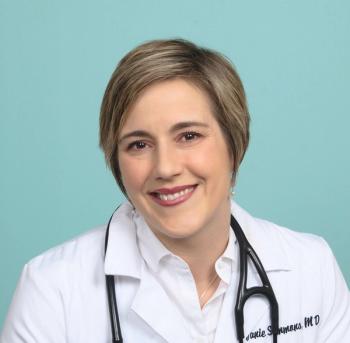
More healthcare workers are battling burnout and depression. Stefanie Simmons, chief medical officer of the Dr. Lorna Breen Heroes Foundation, talks about credential reform and how hospitals can help the workforce.

The Lown Institute says more than 1,300 hospitals receive exemptions that outweigh the financial aid and services they provide. Hospitals have said the analysis excludes some community benefits.
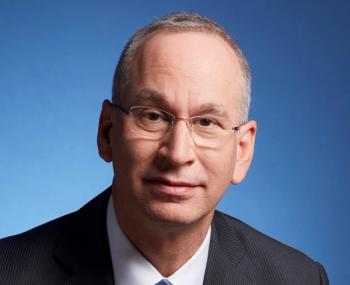
In this new series, we’re spotlighting insights from leaders in the world of healthcare. David Reich, president of Mount Sinai Hospital and Mount Sinai Queens, shares lessons from leading the New York hospitals in the pandemic.

Researchers found care teams weren’t explaining treatment plans, medications, or offering guidance regarding symptoms. Hospitals must do better to reduce the risk of complications.

We can address fundamental issues from quality of care to work environment by focusing on two areas: teamwork and communication.
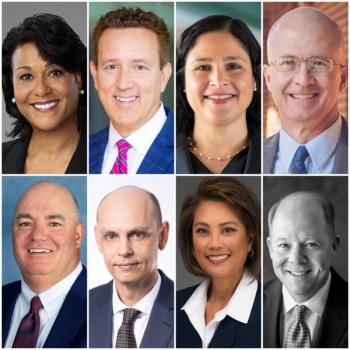
Sutter Health hires UPMC executive as chief operating officer, Children's Hospital Los Angeles hires a COO, and other leaders take new roles.

With more people needing treatment for behavioral health needs, experts say telehealth is critical to providing access. But health systems need to ensure patients aren’t left behind.

Health systems continue to see expenses outpacing revenues, with high labor costs remaining a stubborn problem. But there are some reasons for optimism.
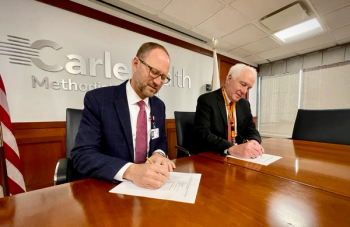
The organization welcomes hospitals and clinics formerly with UnityPoint-Central Illinois.

Millions of Americans have been affected by the disclosure of private health data. Health systems continue to see more cyberattacks and breaches.

While tech companies are focused on devising solutions for patients, healthcare leaders say it’s time to give more thought to the doctors and nurses using the products.