
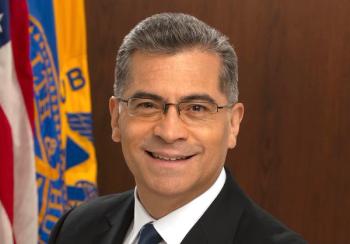
Secretary Xavier Becerra told providers federal law supersedes state laws restricting abortion. Providers that don't follow the law could lose federal funds.
Secretary Xavier Becerra told providers federal law supersedes state laws restricting abortion. Providers that don't follow the law could lose federal funds.

Deepa Kumaraiah spoke with Chief Healthcare Executive about using data to provide better care, new approaches from the COVID-19 pandemic, and caring for staff.

The organizations make a case for combining physical and behavioral health, but they say policymakers and insurers must step up to make it a reality.

NIH researchers said the body’s own defenses, triggered by the virus, are attacking cells within the brain’s blood vessels. The insight could have implications for treating patients.

In other news, UF Health selects a chief diversity officer, the University of Alabama at Birmingham appoints interim leaders, and others take new roles.

The FDA has given authorization, with some limitations. The American Medical Association says only doctors should be prescribing the drug used to treat COVID-19 patients.

The Rhode Island system said it weighed other options. While Care New England is looking for partnerships, the board voted to continue operating independently.

The Federal Bureau of Investigation and other agencies issued a warning Wednesday to public health organizations. Health systems are urged to take steps to protect patient data.

The high court ruled that Medicare improperly reduced reimbursements in the federal drug discount program. Hospitals are pushing the government to cough up the money.

Gary Floyd, the head of the Texas Medical Association, said his group aims to do all it can to support doctors. The organization is still analyzing what doctors can do under the state’s law.

Patients with E-cigarette or vaping associated lung injury found to have a high risk of developing chronic issues that persist for a year or more.

Some members of minority groups had increases in life expectancy, but wide differences are seen among Americans. The COVID-19 pandemic may have erased those gains.

In other news, Cleveland Clinic names a new cancer center director, Sentara Healthcare chooses a new president, and other leaders take new roles.

The Biden administration is touting it as a lifeline to help save smaller providers. More than 130 rural hospitals have shut their doors since 2010.

The American Medical Association said the court’s decision improperly curbs efforts to fight climate change and harms the public. More broadly, some suggest it could limit the scope of all federal agencies.

More than 60 hospitals and health groups said they would strive to reach the Biden administration’s target of reducing emissions by 50% by 2030.

The former health and human services secretary offered lessons for healthcare leaders in a forum with Kevin Sowers, president of the Johns Hopkins Health System.

Even with some improved financial performance in May, the outlook for the rest of the year remains uncertain, the firm says.
Xavier Becerra pledged to expand access but said there's no "magic bullet." He said his agency will investigate any leaks of patient information.

The high court struck down Roe v. Wade, and with some states already enacting laws to prohibit abortions, health systems face some difficult decisions.

Young physicians often have to skip 401(k) payment because they’re making loan payments. The AMA is backing a bill that would offer some relief.

The president has chosen Arati Prabhakar to lead the Office of Science and Technology Policy. Science advocates say her experience could be invaluable in helping establish a new health research agency.

In other news, the BHSH System has named a diversity officer, an HCA Healthcare hospital gets a new CEO, and other leaders take new roles.

The high court’s ruling leaves abortion access in the hands of the states. Almost half the nation’s obstetrics and gynecology residency programs are in states that are expected to ban abortion.

The nation’s top law enforcement official vowed to protect those seeking abortions in states where it is legal. He also pledged to work with the FDA and other agencies to ensure people get reproductive care.
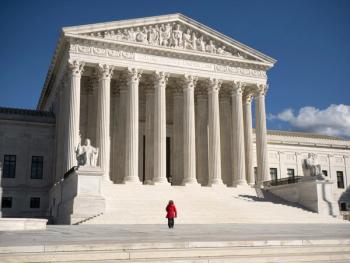
The American Medical Association said the ruling doesn’t end abortion, but safe access to abortion. The American Academy of Pediatrics said teens should be able to get reproductive health services, including abortion services.

In a narrow ruling, the court upheld the policy of the Department of Health and Human Services. The case involves billions of dollars in Medicare payments.

A survey by the Women’s Alzheimer’s Movement at Cleveland Clinic found women aren’t talking to doctors about possible risk factors.

The CDC is sending tests to five large laboratories. More than 150 cases have been reported in the United States.

The Department of Veterans Affairs said some facilities won’t get the new system until next year. The delay comes amid reports of problems with the system harming patients at a veterans hospital in Washington state.