
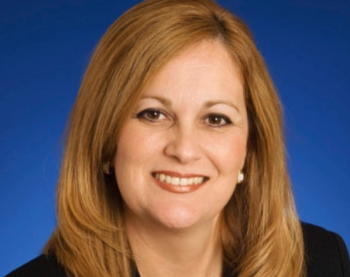
Maria Cristina Jimenez was hailed for her leadership skills. Police said her husband fatally shot her and then took his own life.
Maria Cristina Jimenez was hailed for her leadership skills. Police said her husband fatally shot her and then took his own life.

The two created fake purchase orders and then billed the Dallas VA Medical Center. They entered guilty pleas in federal court and could spend a decade in prison.

Groups representing doctors and hospitals say they support the spirit of the law, but a process to resolve billing disputes is tilted in favor of insurers.

ECU Health hires its first chief nursing executive, HCA Gulf Coast appoints a new vice president, and the head of Pennsylvania's hospital association is retiring.

The California-based system says it has an agreement to sell two Chicago-area hospitals to Resilience Healthcare and Ramco Healthcare Holdings.

Dr. Akram Boutros gave himself bonuses over four years without disclosing the payments, the MetroHealth board said. An attorney for Boutros says the firing is retaliatory after he planned to expose misconduct by the board.
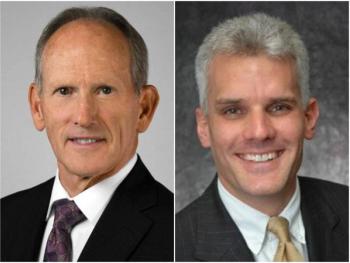
Excela Health and Butler Health System reached an agreement to create an organization with five hospitals. They hope to gain regulatory approval by the year’s end.

More than three quarters of the nation’s pediatric hospital beds are filled. The head of the Children’s Hospital Association said the system is being stretched to the limit.
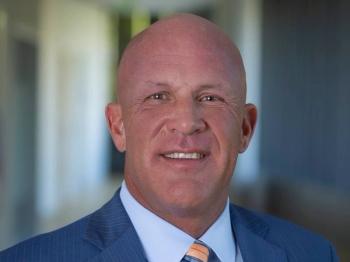
In other news, MyMichigan Health hires a chief medical officer and Northwell Health selects a director for a maternal health center.

Most chief executives are men, but women are making progress in getting to the C-suite. Mindy Kairey of Korn Ferry says more companies are looking for leaders with empathy and positivity.

Health systems have made progress, but they still have a long way to go, says Clearwater CEO Steve Cagle. Hospital executives must drive change from the top.

While he said the virus isn’t the destructive force it was even a year ago, too many are dying from the virus. He also discussed long Covid and the federal government’s newest research agency.

The company announces a new collaboration with Epic to give providers more choices on the cloud, and new accelerators to help health organizations do more with their data.
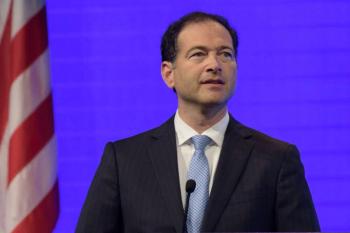
In a speech over the weekend, the head of the American Medical Association cited lies aimed at doctors about abortion, gender-affirming care, and threats against physicians.

In other news, Kettering Health selects an interim CEO, Moffitt Cancer Center names its first innovation officer, and others take new roles.

From coast to coast, children’s hospitals are packed, largely with children with respiratory viruses. Some are fielding requests for beds from hospitals in other states.

No, Mehmet Oz won’t be among them. But more than a dozen doctors will be serving in Congress next year.

Even after suffering a stroke, Fetterman scored a decisive win over the TV star and celebrity doctor.

Experts say health systems must weigh the costs and the risk of products being unavailable. Hospitals need good data and strong leadership to deal with ongoing challenges.

Inpatient and outpatient volume more than doubled and have yet to return to pre-pandemic levels, according to a new study. Researchers say the consequences could be seen for years to come.

Health systems should develop response plans, and they should make sure staff know what to do in an emergency.

The Department of Veterans Affairs should examine cancellations by type of care and examine if follow-up efforts are effective, according to the Office of Inspector General.

Duke Health's leader is stepping down next year, ProMedica hires a CEO, NewYork-Presbyterian hospital names an emergency medicine chief, and more.
Oz and Fetterman are even or close in polls in a battle for an open seat in Pennsylvania. The outcome could determine if Democrats or Republicans hold the majority.

The deal includes the operation of three hospitals and a host of clinics in central Illinois. Officials hope to finalize the transaction by April 2023.

The end of the third quarter continued what has been one of the worst years for hospitals, according to Kaufman Hall’s new monthly report.

Physicians and advocates are bracing for reduced reimbursements and another cut due to the sequester, unless lawmakers intervene.

Most say it’s affecting their ability to offer better compensation, according to a new survey. Employers are angry about the price of drugs and hospital costs.

The court’s conservative majority demonstrated skepticism about the practice. Medical schools say it’s a vital tool in ensuring diversity in enrollment and training better doctors.

Children’s hospitals are packed with patients, and many doctors have been pushed to their limits. Healthcare leaders must recognize and acknowledge the stress on physicians and ask them what they need.