
With more people needing treatment for behavioral health needs, experts say telehealth is critical to providing access. But health systems need to ensure patients aren’t left behind.
With more people needing treatment for behavioral health needs, experts say telehealth is critical to providing access. But health systems need to ensure patients aren’t left behind.

Health systems continue to see expenses outpacing revenues, with high labor costs remaining a stubborn problem. But there are some reasons for optimism.

Healthcare leaders say they’d like to see more products developed for kids. For tech companies, they’ll likely see less competition in pediatrics than in solutions for adults.

Even with longstanding problems, there’s more momentum to close gaps in outcomes. She talks with Chief Healthcare Executive about linking equity to business goals, getting started, and building on progress.
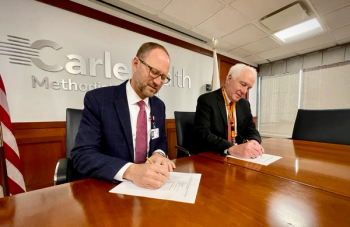
The organization welcomes hospitals and clinics formerly with UnityPoint-Central Illinois.

Millions of Americans have been affected by the disclosure of private health data. Health systems continue to see more cyberattacks and breaches.

Leaders from Nuvance Health talk about the ways technology can close disparities, provided racism doesn’t pervade new tools in healthcare.

While tech companies are focused on devising solutions for patients, healthcare leaders say it’s time to give more thought to the doctors and nurses using the products.

Health leaders say they’re open to work with companies on digital health initiatives. But with a difficult financial landscape, they can’t wait long to get a return on their investment.

The four-day event drew thousands of healthcare leaders to Nashville. Here are some thoughts from conversations and panels in Music City.

Sponsored Content
The problem is top of mind for many in my industry, and solutions do exist.

Hospital leaders must ensure it’s a goal throughout the entire organization, and there must be accountability, he tells Chief Healthcare Executive.

Two executives from the tech giant talk about how the threat landscape for hospitals has changed in the COVID-19 pandemic. They also touted Microsoft’s new AI-powered security product.

The discounts will be applied to eligible medications when consumers check out, saving patients and providers headaches in searching for coupons.

The retailer’s health division is partnering with Atrium on a new effort to deliver care at home, and they aim to illuminate ‘the dark side of the moon.’

Even with disappointing financial returns, health systems are seeing a bit more stability, and can plan accordingly, Kaufman Hall says in its latest monthly report.

Speaking at ViVE, he says the large, for-profit system is focused on improving the quality of care. He expects more growth in outpatient care, but he also sees a growing demand for hospitals.

The company's chief medical officer and co-founder shares insights for systems looking to offer acute care at home.

Cheryl Cruver, the company’s chief revenue officer, says equity is an imperative for more and more health systems.

The organizers mourned those who lost their lives and held a moment of silence for the victims.

Cybersecurity is a big topic at the conference, and in the healthcare industry. In an interview with Chief Healthcare Executive, Rafee says providers have a lot of work to do.

This week, thousands will be attending the digital health conference in Music City. Here’s a look at the big event.

MD Anderson Cancer Center appoints chief quality officer, OU Health names its first chief medical officer, and Keck Medicine of USC chooses a hospital CEO.

Ransomware attacks on health systems have been rising. A new report finds the health sector easily topped other key infrastructure areas such as manufacturing and financial services.

The Pennsylvania system began offering acute care services at home more than two years ago. Vipul Bhatia of WellSpan talks about the factors in the program’s success.

Many employees say their mental health struggles are affecting their work, according to a One Medical survey. The poll also saw a gap between workers’ experiences and the expectations of HR managers.

The small hospital points to difficulties under the state’s abortion ban and a shortage of doctors in its ‘difficult decision’ to eliminate obstetrics service.
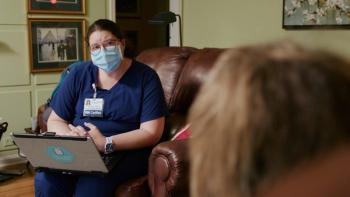
The system based in Kansas City has seen low readmission and high patient satisfaction. Michael Nassif of Saint Luke’s talks about the program.

A host of healthcare groups are coming together for the effort. They say drug companies are covertly trying to cut the program, even as they say they want to save it.

The directors of home hospital programs say they offer new opportunities to improve patient care for all populations.