

Why healthcare should carry these lessons into the new year.
Why healthcare should carry these lessons into the new year.

Why the cutting-edge analytics firm is joining forces with Baptist Health South Florida's year-old cancer center.

From new partnerships to big paydays, this list focuses on start-ups and mega-companies alike.

The settlement with HHS is hardly the end of 21st Century Oncology's financial and compliance woes.

Before the initiative, the disease had killed 6 men in a mental health facility.

Big data isn’t a buzzword. Here’s how it’s changing healthcare.

"The next wave of biomedical insights is coming from cross-institutional collaborations that produce rapidly increasing amounts of multi-omics data."

From the depths of the dark web to privacy concerns stemming from the government’s response to the opioid crisis, it was a busy year.

Still, only 36% reported wishing for a return to paper (although 11% answered that they were "unsure.")

By mirroring nature, “sexual evolutionary synthesis” AI proved just as accurate but more efficient than its asexual counterpart.

Before there can be patient centricity, there must be a high standard of care across larger patient populations.

In 2017, a spate of high-profile attacks brought the healthcare industry’s need to strengthen its cybersecurity into sharp focus.

Throughout its inaugural year, Healthcare Analytics News™ closely covered developments in telehealth technologies, markets, and regulations. These are 5 of the best.

How a genetic data company jumped from “Shark Tank” and into groundbreaking research projects.

The value-based care push is one of the most important trends in American healthcare, and it is always evolving.
Brigade Capital, which holds a nearly 6% share in Kindred, urged the companies to reconsider.

Companies face challenges, from courting customers to charming regulators.

From CVS and Aetna to Penn State Health and Humana, these moves made waves in December.

The experts have weighed in. These are the healthtech companies that won 2017.

Hype, reality, mental health diagnoses, ethical concerns, and more.
2017 produced a series of important interoperability stories that will spill into 2018, and well beyond.

Start-ups, venture capital funds, and research centers, oh my.
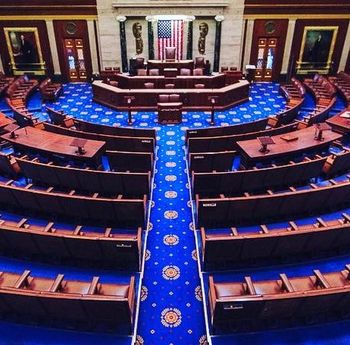
“Magical thinking won’t improve our health care system,” a pair of Harvard health economists write in a new commentary.

Why Frost & Sullivan expects the genome-editing technology to be a financial boon.
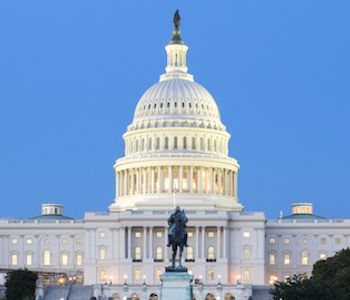
The bill would give medical clearinghouses some HIPAA exemptions, allowing them to give patients access to their EHRs—and charge a fee to do so.

Artificial intelligence was more likely than humans to advocate for electronic cigarette use, a new study found.

The 2 technologies can be made harmonious, but only if proactively guided by human physicians.

A new survey suggests executives are most concerned about ransomware in 2018, and email is the biggest vulnerability.

Experts say it would improve EHR patient safety, costing $20 million in the first 5 years.

A $3.6M government grant is funding University of Michigan’s potentially game-changing project.