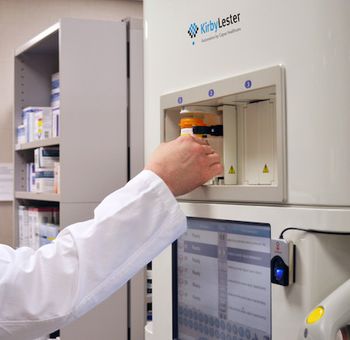
Pharmacy manager Kurt Wyant projected ROI in 2 years. The actual time was 11 months.
Pharmacy manager Kurt Wyant projected ROI in 2 years. The actual time was 11 months.
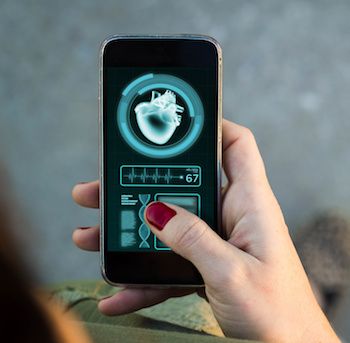
“Healthcare has always been a very noble profession,” Taha Jangda said. “But it’s also been very transactional.”
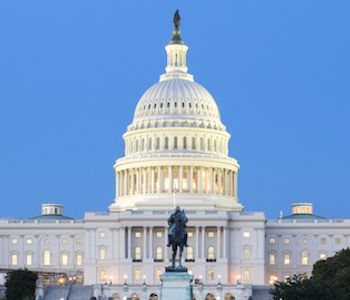
The includion of last year's CHRONIC Care Act in the bill could pave the way for future telehealth legislation.

The insurer wants $20 million. The legal firm wants Aetna to pay. Patients are due $17 million.

Traditional guidelines and ICD-10 codes get it wrong, according to the cutting-edge company's chief medical officer.
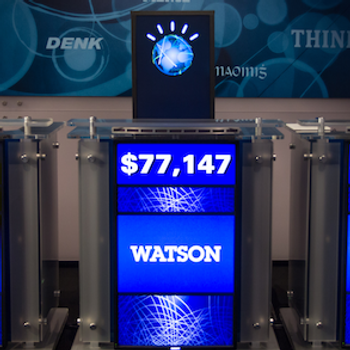
The woman who oversaw MD Anderson's controversial IBM Watson collaboration may know a thing or two about AI and expectations.
“We’ve been too comfortable for too long,” he said. "We have to blow it up a little."

What healthcare organizations and digital health ventures must know about open-source software before tracking and implementing it.

The judge wrote that the complaint "fails the most basic test for particularity.”
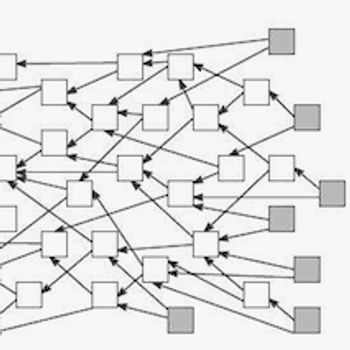
Blockchain is set to redefine how healthcare is contracted, managed, and paid for. Although the technology is in its early stages, here is where we are and what is ahead.
“We envision this as not a part of the current political debate. It’s a wide net right now," the new organization's Executive Director said in an interview.
The sector was the most likely to deploy anti-ransomware software. But it was still the most likely to get hit.
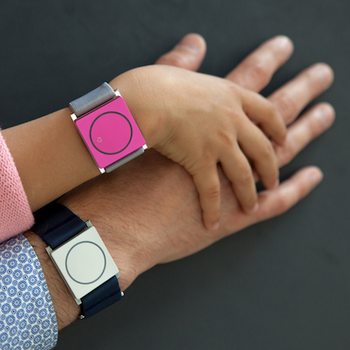
Advanced machine learning enables the wearable device to spot events and summon help.

Researchers from MIT and Hong Kong University of Science and Technology harness algorithms to map out the virus's evasive tactics.

How Medial EarlySign’s machine learning model combed EHRs to identify patients at risk of kidney damage.

The conventional wisdom is you never pay the file kidnappers. In a recent hospital cyberattack, paying may have been the only option.
The Direct Decision Support Model was designed to provide medical information to approximately 700,000 Medicare beneficiaries.

Why the “breakthrough device” could be a boon for healthcare organizations and patients alike.

A new literature review published in the Journal of Medical Internet Research suggests that it has.

"It has the potential to save hundreds of lives," researcher John Hirdes of the University of Waterloo said.

It's unknown how the current administration's Department of Justice will treat the proposed deal.

The French health tech company announced in 2014 that it would enter the US market. It never did, and today it was bought by an enterprise giant.

Lost hard drives, email hacks, and more: Last month, 18 different institutions reported breaches.

We’re co-hosting a webinar featuring attorney and blockchain expert Steven W. Teppler. Here’s how you can register—and why you should.

How the results affect critical decisions about reproductive health and hereditary cancer risk.

“If such approaches are successfully implemented on a broad scale with similar results, the magnitude of savings would be substantial.”
The Ivy’s bioethics center will collaborate with colleagues at University of Copenhagen to develop frameworks around “black box” medicine.

The dialysis company will also enter into an agreement with the agency to improve its patient privacy protocols.

Dr. Google has its place, but Dr. Sarah Hawley believes that for patients to make the right decisions about their cancer care, they'll need the right information.
Some of healthcare technology’s brightest minds will converge at the HealthXL Global Gathering in Pittsburgh, Pennsylvania.