
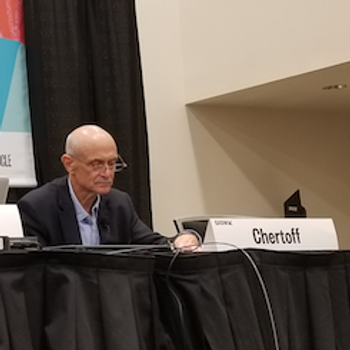
Michael Chertoff shared his concerns surrounding patient data and hospital operations at South by Southwest.
Michael Chertoff shared his concerns surrounding patient data and hospital operations at South by Southwest.
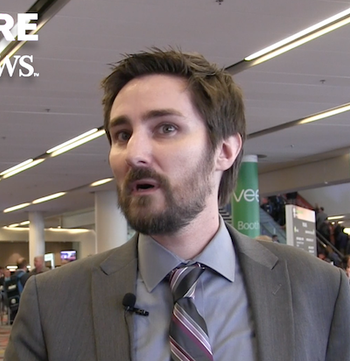
Mac McMillan is a defense intelligence veteran. John Nye served in the Army. At HIMSS 2018, the 2 told us about the benefits that a military mindset can bring to defending health data.
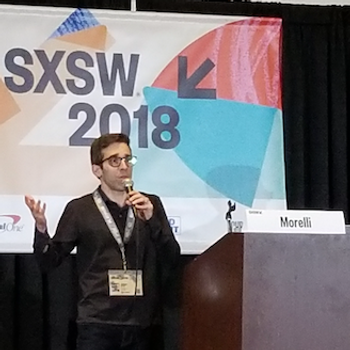
At SXSW, an expert describes what healthcare leaders must understand about the algorithms.

Michael Chertoff, the nation’s former homeland security secretary, weighed in on the issue at SXSW.
Why a cofounder of the genetic testing company said its ambitions were too lofty.

Cota's co-founder and Chief Scientific Officer would know: His company just got that amount in Series C.
Certain trendy technologies dominated the conversation, but good-old analytics still have the power to impress.

At HIMSS, healthtech experts had widely varying opinions on whether blockchain can actually do anything for the field.
Using Watson to improve clinical trial improvement can extend patients' lives, Mayo Clinic's Kate Pomerleau says.

40 people die every day as a result of overdose from prescription opioids. Here's how can the health IT community can help curb overdose and abuse.

Nobody knows for certain where blockchain will (or won’t) deliver in healthcare. One health IT veteran makes the case for quality measurement.

An up-and-comer in healthcare AI describes how he gauges his peers’ potential.

Our senior editor, Jack Murtha, runs down the biggest stories we've caught so far at HIMSS 2018.

The company’s track record and finances suggest it could deliver, but there’s a paucity of additional evidence.
How can healthcare leverage technologies and social networking to care for veterans in need?

A tech executive for Mercy Health System explains what he looks for in data scientists—and his hires have helped the organization in several ways.
"We have doctors doing life-and-death stuff every day and we've turned them into secretaries."

Hospitals want to improve patient outcomes and save cash. Docs want to avoid reporting systems that pry them from their patients. It’s not an impasse.
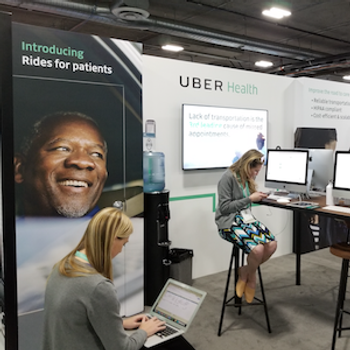
Uber Health is taking a comprehensive approach toward patient privacy. Otherwise, providers would “vote with their feet,” says one expert.
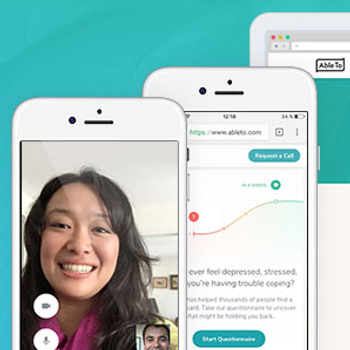
Oncology start-ups leverage data to develop predictive analytics and personalized treatments. Can therapy do the same?
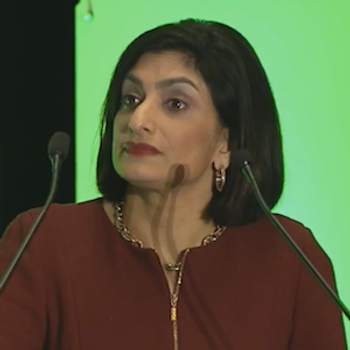
Announced during HIMSS 2018, the plan calls for patient access to their health records, in a push toward interoperability and value-based care.

As the EHR vendor celebrates its announcement of a major new partnership, physician staff across the country are again reporting service outages.

Early returns from 4 Department of Defense facilities are out, but Veterans' Affairs officials had indicated they'd have a deal by the end of February.

Patients were exposed by yet another snail-mail breakdown.
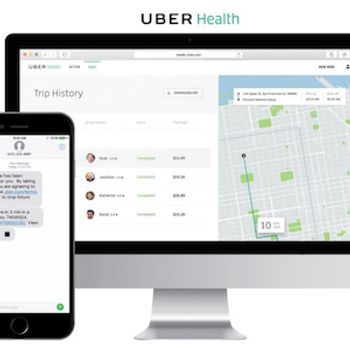
Why the tech titan isn’t merely exploring a new space—it’s entering the care continuum.

There are blind spots in our data-driven world, and there are some underlying weaknesses in healthcare delivery that can be traced to deficiencies in the adoption and application of new knowledge.

Bundled payments are an important part of the value-based care movement. But who is taking the lead on getting them implemented?
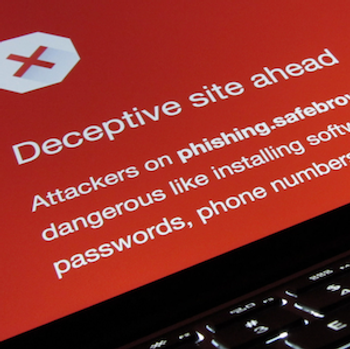
A new study highlights why healthcare organizations must do more than train employees to not click sketchy emailed links.
Why investors like the chatbot. Hint: natural language processing and cognitive behavioral therapy.

More than 80% of the 140,335 affected patients had their information exposed in unauthorized access or disclosure incidents.