

From big data’s role in solving coming healthcare problems to Comcast’s new partnership, these stories resonated with our readers.
From big data’s role in solving coming healthcare problems to Comcast’s new partnership, these stories resonated with our readers.

Some healthcare organizations leverage data to combat addiction, but the practice must expand, argues Surescripts.
Genomics has attracted heavy investment in recent years. Will it ever end?
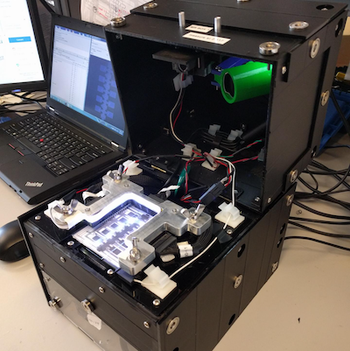
How the device, created with a “hacker mentality,” analyzes resistance to vaccine-preventable conditions like measles.
SOPHiA Genetics, a Swiss health-tech company, is celebrating a diagnostics milestone and a $1.4 billion windfall for AI overseas.
Commissioner Scott Gottlieb, MD, also said his agency will reveal how it plans to review medical devices with more than 1 function.

A cybersecurity expert describes how to close the longstanding holes that enabled the cyberattacks.

Aspire Universal hopes the money will “re-engineer” the start-up process for companies focused on medical devices and therapies.

But a new report describes how employers can use digital health to achieve better employee health and financial outcomes.
The firmware update is now available to patients, who might face a greater risk of harm if they don’t act.
How the diagnostic tool stands to benefit patients with prostate cancer.
How the Virginia health system is strengthening security protocols. Others might want to take notice.

With members like Pfizer and USC Keck School of Medicine, TriNetX aims to improve how healthcare handles research data.

As the era of value-based care begins, the start-up is targeting biopharma and insurers.
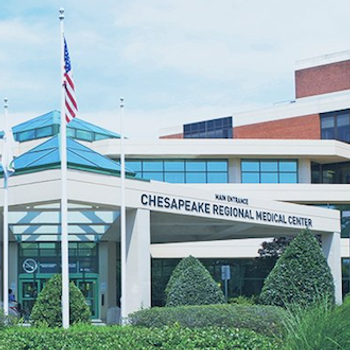
The Chesapeake Regional Healthcare data breach emphasizes the wide-ranging threat to patients’ medical records.
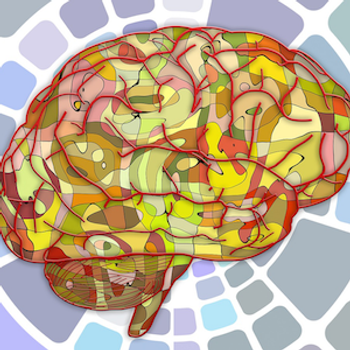
How the artificial intelligence behind AUTOMAP yielded higher-quality images of the brain.

Why the French answer to Oscar Health is attracting international attention.

Artificial intelligence is infiltrating many institutions. Here’s how governments can handle the technology without burning the public.

The start-up plans to use the same AI that analyzes financial documents to examine Medicaid applications.
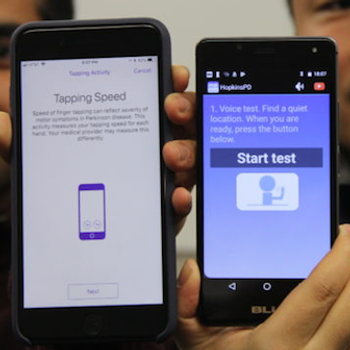
Johns Hopkins University researchers developed an app that collects patient data. Better information could boost precision medicine.

What the pharma giant saw in the oncology analytics whiz kid.

A new venture capital analysis spotlights companies and sectors to watch.

The precision medicine innovator plans to use the money to finance the second generation of the immunotherapies.

The insurer is offering free credit monitoring and identity theft protection to 6800 affected individuals.
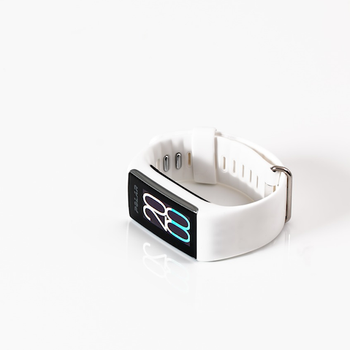
150 million exposed accounts is far too many. It’s time for patients, tech companies, and healthcare organizations to adapt.
We’re all about great stories and great insights. And that’s what you can expect from Data Book, the first-ever Healthcare Analytics News™ podcast, dropping this Friday.

Why the health-tech start-up True Reply is donating $10 for every ether raised.

But after they saw the numbers, physicians wrote fewer opioid prescriptions, a new study found.
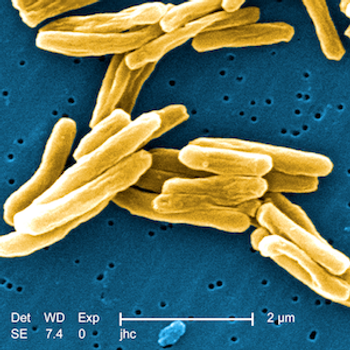
Why telehealth could help the CDC and other healthcare stakeholders decimate the disease.

Hint: The finding relied on medical information from more than 46,000 Geisinger patients.