
Janae Sharp explores why this parody isn’t just funny. It’s a call for real change.
Janae Sharp explores why this parody isn’t just funny. It’s a call for real change.

HIMSS will release an official comment letter on the proposed interoperability rules on May 3.

Data Book examines the work of William Osler & its parallels to the burnout problem. Then our expert panel discusses solutions.

63 percent of respondents feel unprepared to manage and execute effective IT operations based on the training offered at their organizations.
The deal could help CynergisTek expand its services.

AI Health could improve efficiency, value and delivery of healthcare.

Recurrence score testing was associated with lower costs among high-risk cancer patients.

The partnership aims to bridge the gap between DTC testing and medical-grade genetic testing.
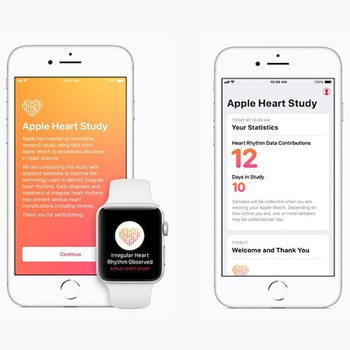
The study showed optimistic results, but many cardiologists and physicians are wary about the tech.

“AI and physicians working together can be more accurate than either alone,” said lead researcher, Rory Sayres, Ph.D.
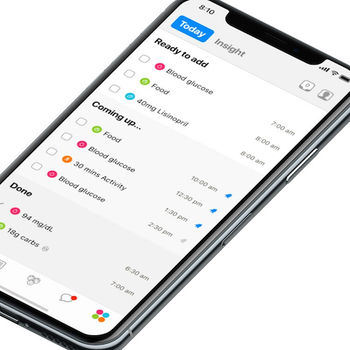
Amazon's Choice devices will integrate with One Drop to help customers manage chronic conditions.
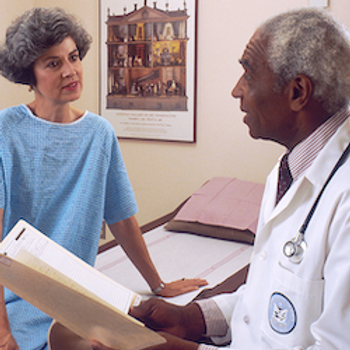
Healthcare executives want to increase patient engagement and population health programs, but face many obstacles.

3 existing opioid addiction treatment models can benefit from telemedicine.

Researchers have developed a way to acquire classical Raman spectroscopy images more quickly.

It could be possible to identify infectious diseases using a smartphone, according to a new study.

A revised guidance aims to modernize clinical trials and ensure the safety and efficacy of novel treatments.

At HIMSS, two executives talk about the proposed interoperability rules and the government's role in its implementation.
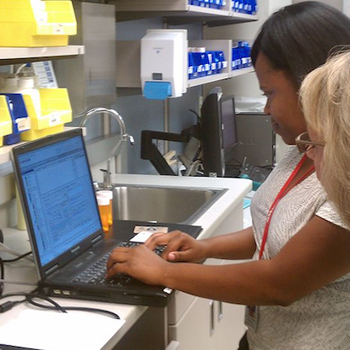
eHealth Technologies’ solutions aim to help physicians access important information in medical records more quickly.

Heritable genome editing is said to be too unpredictable, unsafe and unnecessary.

New laws create new problems, and entrepreneurs and innovators rise to the challenge.
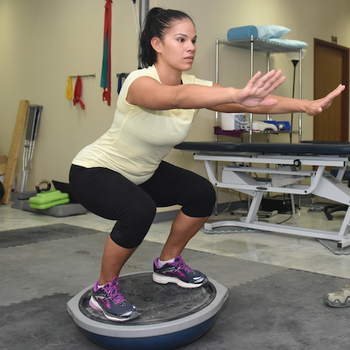
Tele-rehabilitation could be a viable option for patients who have total hip or knee replacement surgery.

Sharpless brings an extensive medical background and focus on public health to the agency.

The platform collects real-time data and could improve outcomes while reducing cost of care.

David Shulkin, M.D., has held many roles in health systems, institutions and government agencies.
The tech must be used properly, or there can be harmful consequences.

6 ways ambulatory surgery centers can win a high-stakes game of medical billing and collections.

5 ways interoperability can benefit patients, physicians and healthcare orgs.

The health and genetics data available for use could lead to more scientific breakthroughs that can improve health outcomes.
The report can show the likelihood of developing the condition that affects millions in the U.S.

Two health-tech leaders explore whether mHealth apps will improve patient care.